Achieving Seamless Drywall Joints
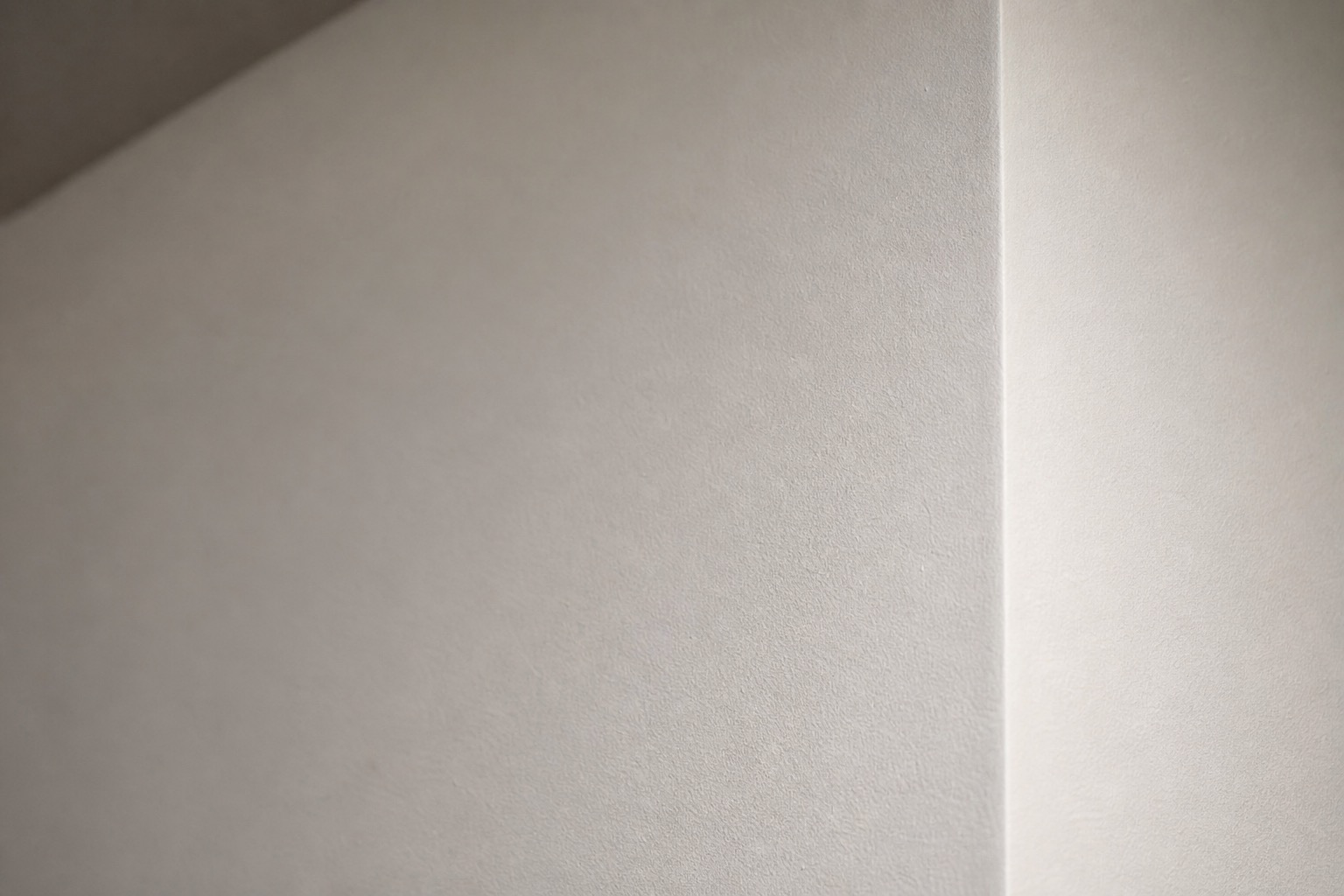
A seamless drywall joint is one you can't find even when you know exactly where it is. B&M Painting and Construction relies on a consistent, patient process to get every joint on a London, KY drywall installation project to disappear once the wall is painted.
Why Feathering Width Matters
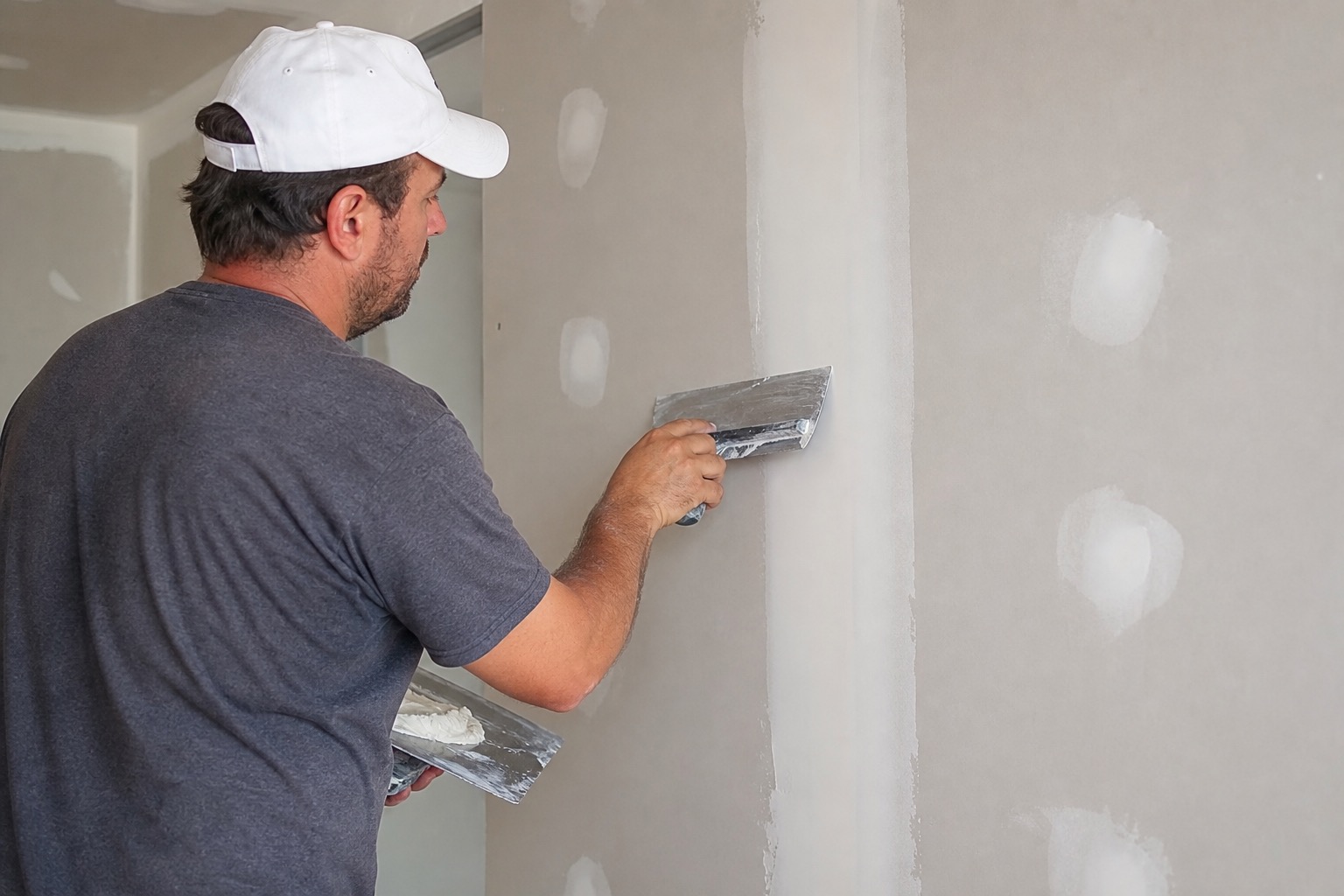
Each coat of joint compound over a seam should be wider than the one before it, gradually feathering the edges out further from the joint so there's no visible line where the compound stops.
A common mistake is applying each coat at roughly the same width, which creates a hard edge that's easy to see once the wall is painted and lit from the side.
We also account for how a room will be lit once finished, including planned recessed lighting or large windows, since these lighting choices affect how forgiving or unforgiving a joint will be once the space is in everyday use.
Butt Joints vs. Tapered Joints
Drywall sheets have factory-tapered edges designed to create a slight recess for joint compound, making tapered joints easier to finish flush with the rest of the wall.
Butt joints, where the untapered ends of sheets meet, require extra care and wider feathering to avoid a slightly raised seam, and we plan sheet layout to minimize butt joints wherever possible.
We double-check tapered joint alignment before the first coat goes on, confirming that adjoining sheets sit flush with each other, since a joint that's slightly recessed or proud on one side is much harder to feather seamlessly no matter how many coats are applied afterward.
Working Inside and Outside Corners
Inside corners use a specific corner taping technique to create a crisp, straight line rather than a rounded or wavy seam. Outside corners typically use a metal or plastic corner bead, which protects the edge from impact damage while giving compound a straight surface to build against.
Getting corners right takes more practice than flat seams, which is why we assign this detail work to our most experienced crew members.
For rooms with vaulted or angled ceilings, joint work becomes more complex, and we adjust our feathering and corner technique to account for the unusual angles rather than applying a standard flat-ceiling approach.
The Role of Proper Lighting During Finishing
We use raking, side-angled light during the finishing process specifically to reveal ridges, dips, or unevenness that overhead lighting would hide entirely.
Catching these imperfections during the finishing stage, rather than after paint is applied, saves significant rework and keeps the project on schedule.
We also walk the finished room ourselves before calling a client back for a final look, checking every joint under at least two different light angles since a single fixed light source can hide a flaw that becomes obvious once furniture and lamps are added later.
Patience Over Speed
Seamless joints come down to patience — letting each coat dry fully, sanding lightly between coats, and not rushing to the next step before the wall is truly ready.
This is the same standard we apply whether we're finishing an entire room of new drywall installation or a single wall in a larger renovation project.
Humidity in the room during finishing can also affect how compound dries and sands, so we keep an eye on conditions throughout a multi-day finishing project just as closely as we do during painting.
Training and Experience Behind a Clean Finish
Finishing drywall joints well is a skill that takes years to develop, which is why we assign detail-heavy finishing work to our most experienced crew members rather than rotating it across the team.
That consistency is part of why our drywall installation projects across London, KY hold up well over time, without the cracking or visible seams that can come from rushed finishing work.
Every crew member finishing joints on a project follows the same drying and sanding checklist, which keeps quality consistent even on larger London, KY jobs where more than one person may be working on finishing at once.
Conclusion
Getting the details right on achieving seamless drywall joints is part of how B&M Painting and Construction delivers lasting results for drywall installation across London, KY. If you have questions about your own project, our team is happy to help.
Frequently Asked Questions
Properly feathered joint compound, applied in progressively wider coats and sanded smoothly, is what makes a seam disappear under paint.
Yes, butt joints require extra care and wider feathering since they lack the factory-tapered recess that makes tapered joints easier to finish flush.
Side-angled lighting reveals ridges and dips in the joint compound that overhead lighting would otherwise hide, letting us fix issues before painting.
We install a metal or plastic corner bead on outside corners, which protects the edge from impact and gives compound a straight surface to build against.