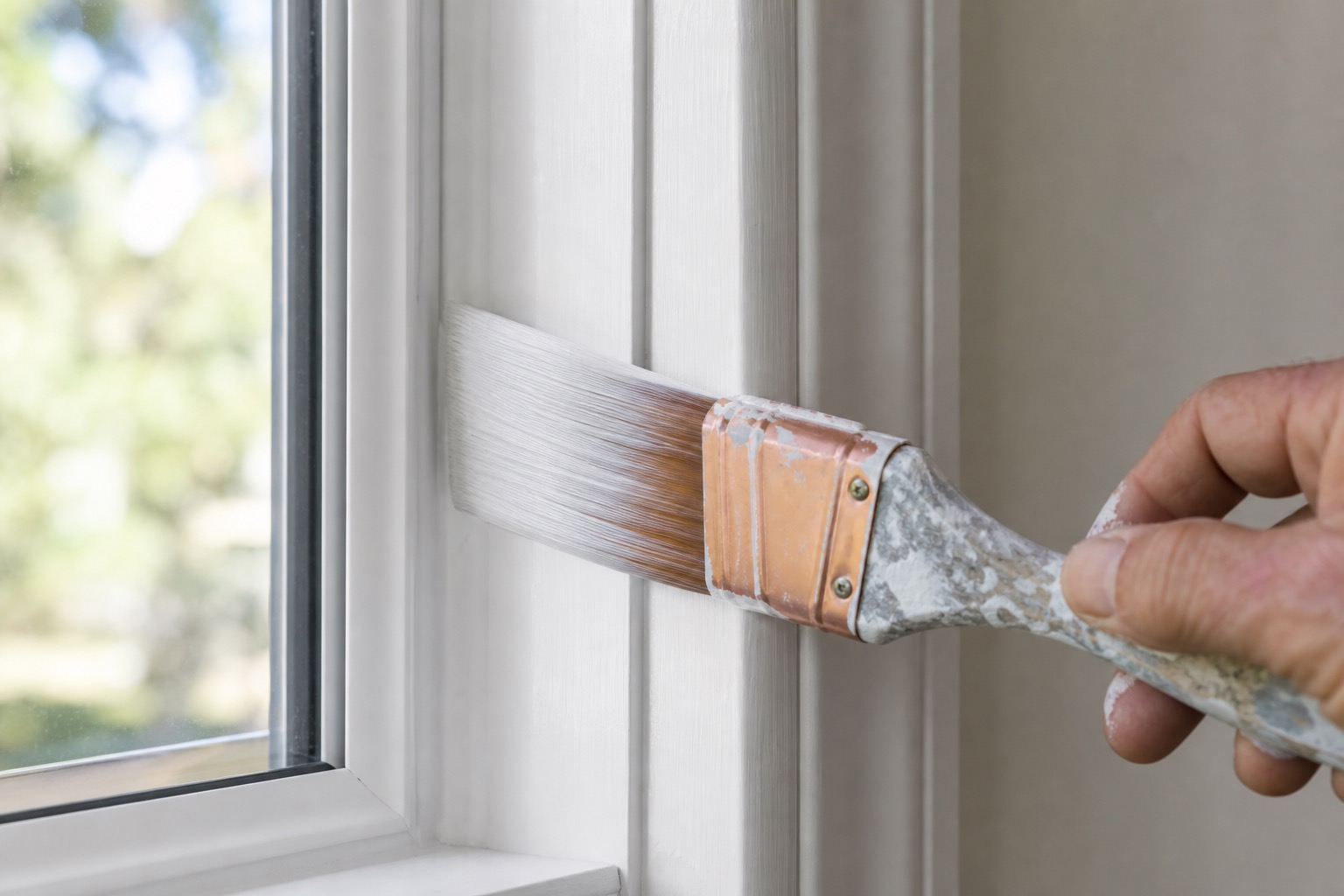
Managing Drywall Repair Before Painting
Painting over unrepaired drywall damage is one of the fastest ways to end up with an interior paint job that looks unfinished. Before any interior painting project in London, KY, B&M Painting and Construction inspects walls closely and manages drywall repair as its own phase of the job.
Spotting the Damage That Matters Most
Nail pops, small holes from picture hooks, and hairline cracks around door frames are the most common issues we find during a pre-paint walkthrough. Each type of damage needs a slightly different repair approach, from a simple dab of spackle to a full patch with joint tape.
Water stains deserve extra attention, since they often signal a repair that needs to address the source of moisture first, not just the visible drywall damage.
We also look at ceiling corners and areas around HVAC vents, since settling and vibration in these spots can cause small cracks that homeowners often overlook until they're pointed out directly. Catching these early, before an interior painting project starts, keeps the finished room from showing new cracks within the first year after painting.
Patching Small Holes and Dents
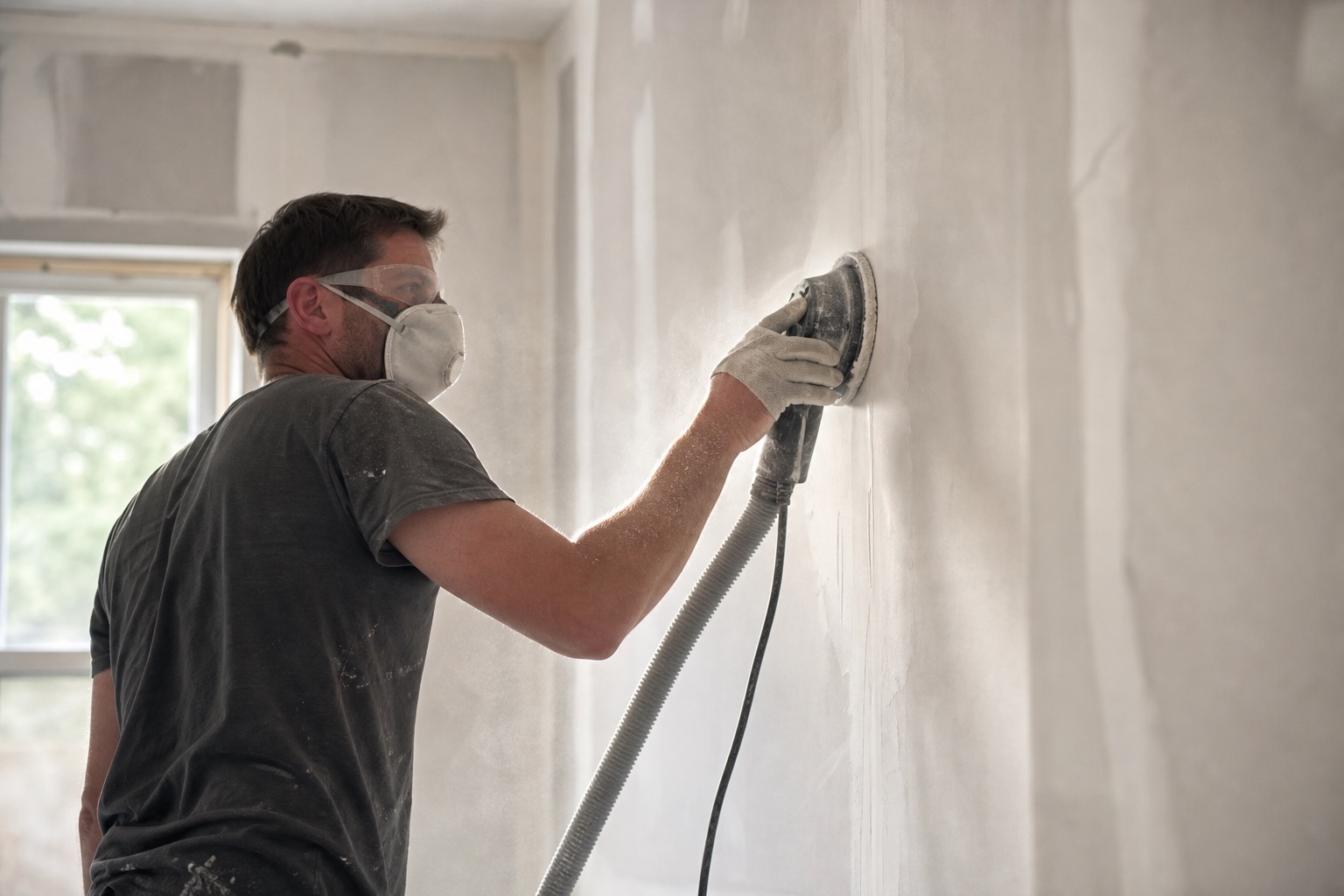
For small holes and dents, we apply lightweight spackle in thin layers, letting each layer dry before sanding smooth. Building up thin coats avoids the shrinkage and cracking that happens when too much compound is applied at once.
Once sanded, these small repairs are essentially invisible under primer and paint, which is why we never skip this step even on a tight painting timeline.
We keep repair supplies matched to the specific texture already on a customer's walls, since a smooth modern finish and an older orange-peel texture require different application techniques to blend invisibly. Guessing at texture rather than matching it carefully is one of the most common reasons a repair stands out under certain lighting.
Handling Larger Cracks and Sections
Larger cracks or sections that need a patch get joint tape embedded in compound, then two to three feathered coats to blend the repair into the surrounding wall. This is the same process we use for standalone drywall repair, just scaled to fit inside an interior painting schedule.
Rushing this step by skipping the feathering coats is one of the most common reasons a patch becomes visible as a slight bump once the wall is painted.
For repairs near electrical outlets or switches, we take extra care to keep compound out of the box itself, since a clogged outlet box can create both a cosmetic and safety issue. This kind of detail is easy to miss without drywall-specific experience, which is part of why we manage repair and painting together rather than treating them as separate, disconnected jobs.
Priming Repaired Areas Before the Finish Coat
Repaired drywall absorbs paint differently than the surrounding wall unless it's primed first, a problem known as flashing. We spot-prime every repair, then apply the full finish coat over the entire wall so the sheen matches evenly from edge to edge.
Skipping the primer step is a shortcut that almost always shows up as a slightly duller or shinier patch once the room is fully lit.
Scheduling Repair and Painting Together
Because joint compound needs time to dry between coats, we build drywall repair into the front end of an interior painting schedule rather than trying to rush it the same day as painting. This keeps the finished walls smooth instead of leaving visible ridges under the paint.
For London, KY homeowners on a tight timeline, we communicate clearly about how much extra time repair work will add before finish coats begin.
Once primed, we always do a quick visual check under a work light before moving on to the finish coat, catching any spot that still needs an extra pass of compound. This last check adds only a few minutes but prevents having to go back and fix a missed repair after the room is already painted.
Communicating Repair Scope Before Work Begins
Not every homeowner realizes how much drywall repair a room needs until we point it out during the pre-paint walkthrough, so we document every repair area with photos and a plain-language explanation before adding it to the estimate.
This upfront communication means there are no surprises once the crew starts working, and London, KY customers know exactly what's being repaired and why before the first coat of primer goes on.
Conclusion
Getting the details right on managing drywall repair before painting is part of how B&M Painting and Construction delivers lasting results for interior painting services across London, KY. If you have questions about your own project, our team is happy to help.
Frequently Asked Questions
Yes, unrepaired holes, cracks, or dents will show through paint and often get worse over time, so repair should always happen before the finish coat.
Small repairs add minimal time, while larger patches may add a day or two to allow joint compound to dry fully between coats.
Yes, matching texture is part of our standard drywall repair process so patches blend in once painted.
Unprimed repairs can absorb paint differently than the surrounding wall, creating a visible flashing effect once the room is lit.